
Many companies are investing in AI, but they often fail to realize its true value. Find out here why it’s not the technology itself, but rather the lack of AI integration within companies that determines success or failure.
Key Points
Many companies invest in AI—but often fail to realize its true value. The reason rarely lies in the technology itself, but rather in the lack of integration with existing systems and processes. Successful integration of AI into a company occurs when existing context is made available for AI to utilize.
- Integration, not new systems: The success of AI does not depend on additional platforms, but rather on how well existing applications, processes, and data sources are integrated.
- Context determines the added value: Corporate knowledge is already embedded in documents, permissions, workflows, and business logic—but AI can only leverage this context if it is made technically accessible.
- AI is becoming the new access layer: Instead of operating exclusively through user interfaces, AI accesses functions and business logic directly. Applications remain in place but are used differently.
- MCP enables pragmatic AI integration: Architectures such as the Model Context Protocol (MCP) make it possible to gradually make existing systems AI-capable—without having to completely overhaul the IT landscape.
- Enterprise AI requires governance and user context: Only when permissions, security rules, and system contexts are taken into account can AI be reliably and scalably integrated into operational processes.
- Sustainable AI success comes from evolution rather than disruption: Companies benefit most when existing systems are further developed and intelligently integrated—not by completely rebuilding their IT infrastructure.
Many AI projects don't fail because of the technology. They fail because they lack insight into the reality of the business.
Strategies are developed, budgets are approved, and initial use cases are implemented. Yet the impression remains that the actual added value often falls short of expectations.
The cause of this rarely lies in the capabilities of the AI itself. More often than not, the issue is structural: integration into existing IT environments is inadequate.
This is also confirmed by the MIT study “The GenAI Divide: State of AI in Business 2025.” It states:
“Most companies are on the wrong side of the GenAI divide: adoption is high, but actual transformation is low. In seven out of nine industries, there are hardly any structural changes to be seen. While companies are testing generative AI tools, only a few are making the transition to productive use. General-purpose tools like ChatGPT are widely used, while custom solutions often fail due to the complexity of integration and a lack of alignment with existing workflows.”
This makes it clear that the success of AI in the enterprise depends less on the technology itself than on the ability to integrate it.
Table of Contents
1. Why AI Cannot Realize Its Full Potential Without Integration into the Company
2. Why Many AI Initiatives in Companies Come to Nothing
3. A Necessary Shift in Perspective: From User Interfaces to Functions
4. How an integrated architecture makes AI possible in the enterprise
5. From early AI applications to true enterprise capability
6. How existing systems become AI-capable through integration – a practical example
7. What AI integration means for businesses in concrete terms
8. Conclusion: The success of AI in companies starts with integration
1. Why AI Cannot Realize Its Full Potential Without Being Integrated Into the Company
Today, companies have complex IT infrastructures that have been built up over many years. These systems hold tremendous value: documents, processes, decision-making logic, and access rules are already in place and provide the necessary context for informed decisions.
The context is there. It’s embedded in documents, processes, permissions, and legacy systems.
- People can manage it— but it takes effort.
- Not AI. For AI, this context remains invisible in most companies.
The main problem, therefore, is not that context is lacking. Rather, it is that AI cannot make use of it.
This is precisely where the challenge of integrating AI into businesses begins.


Senior Consultant | Business Process Automation
2. Why Many AI Initiatives in Companies Come to Nothing
Many companies are responding by introducing new AI platforms. This does not solve the problem; it merely shifts it. The existing systems remain in place, and AI is added as yet another system. The result is not less complexity, but more.
The result is a fragmented architecture in which AI operates in isolation and has only limited influence on operational processes.
For IT leaders and CDOs, this means that the focus should shift. The priority is not on introducing new systems, but on the targeted integration of existing ones.
Senior Consultant | Business Process Automation
3. A Necessary Shift in Perspective: From User Interfaces to Functions
Traditionally, users access corporate systems through user interfaces. Users navigate through forms, menus, and processes to find information or perform actions.
The use of AI is fundamentally changing this model. Instead of interacting through user interfaces, AI accesses functions directly. The underlying business logic is made available as structured interfaces.
This development has far-reaching consequences: applications remain in use, but they lose their role as the primary point of access. Instead, the focus shifts to functionality.
AI will not replace existing systems, but rather serve as an additional access layer that makes these systems more efficient to use.
4. How an integrated architecture makes AI possible in the enterprise
So the real question isn’t, “How do we integrate AI into our company?” but rather, “How do we make our existing systems compatible with AI?”
Implementing this form of integration requires a suitable architecture. One approach that is becoming increasingly established in this area is the Model Context Protocol (MCP).
The MCP architecture makes it possible to extend existing systems so that their functions and context become accessible to AI. This involves integrating not only data, but also processes, permissions, and business logic.
The key advantage is that no major overhaul of the IT infrastructure is required. Instead, companies can gradually expand and integrate their existing systems.
For AI integration in businesses, this means taking a pragmatic approach: evolution rather than disruption.
The following architecture (see Figure 1) illustrates how existing enterprise systems from the IBM stack are gradually becoming AI-enabled: applications remain in place, while their functions are made available as AI-enabled tools via MCP. AI does not replace existing user interfaces, but rather enhances them with a new layer of intelligent interaction.
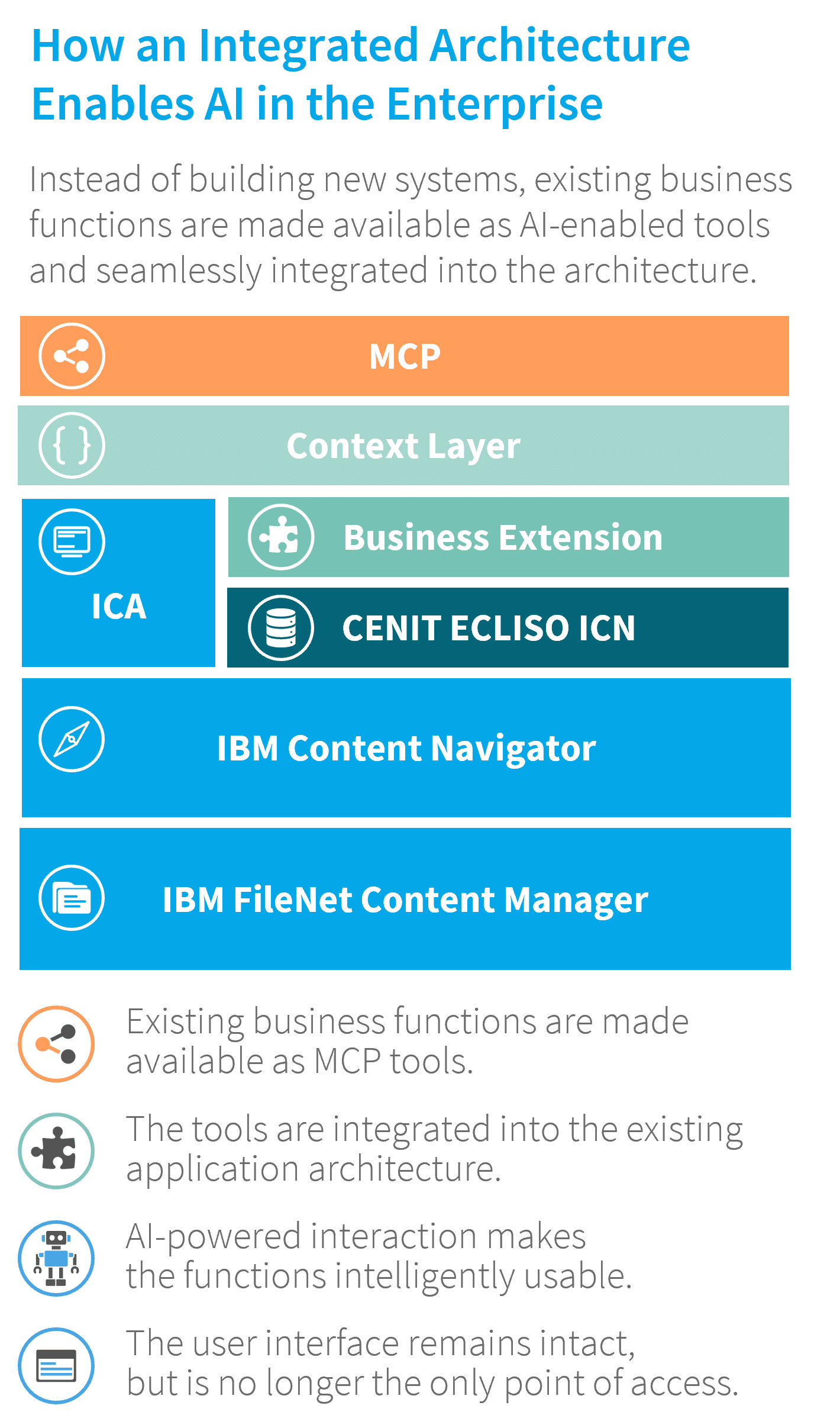
Figure 1:Architectural model for AI integration into existing enterprise systems via MCP and the context layer | isr.de
5. From Early AI Applications to True Enterprise Capability
Most companies have already gained some initial experience with AI—for example, through chatbots or document analysis. While these approaches provide valuable insights, they are often limited to isolated use cases.
The next step in this development is to drive forward the integration of AI into existing systems and business processes. To do this, AI must not only understand information but also be able to take action within existing systems.
Only when AI operates across system boundaries, takes user contexts into account, and is integrated into existing workflows does it create real value. It is precisely at this point that it becomes clear whether an organization has strategically mastered AI integration.
The evolution of AI in the enterprise can be described in three stages (see Figure 2): First, AI understands content and context. Next, it can take action using structured tools and functions within existing systems. It is only in the third stage that it becomes enterprise-ready, as multiple systems, user contexts, and governance requirements work together seamlessly.
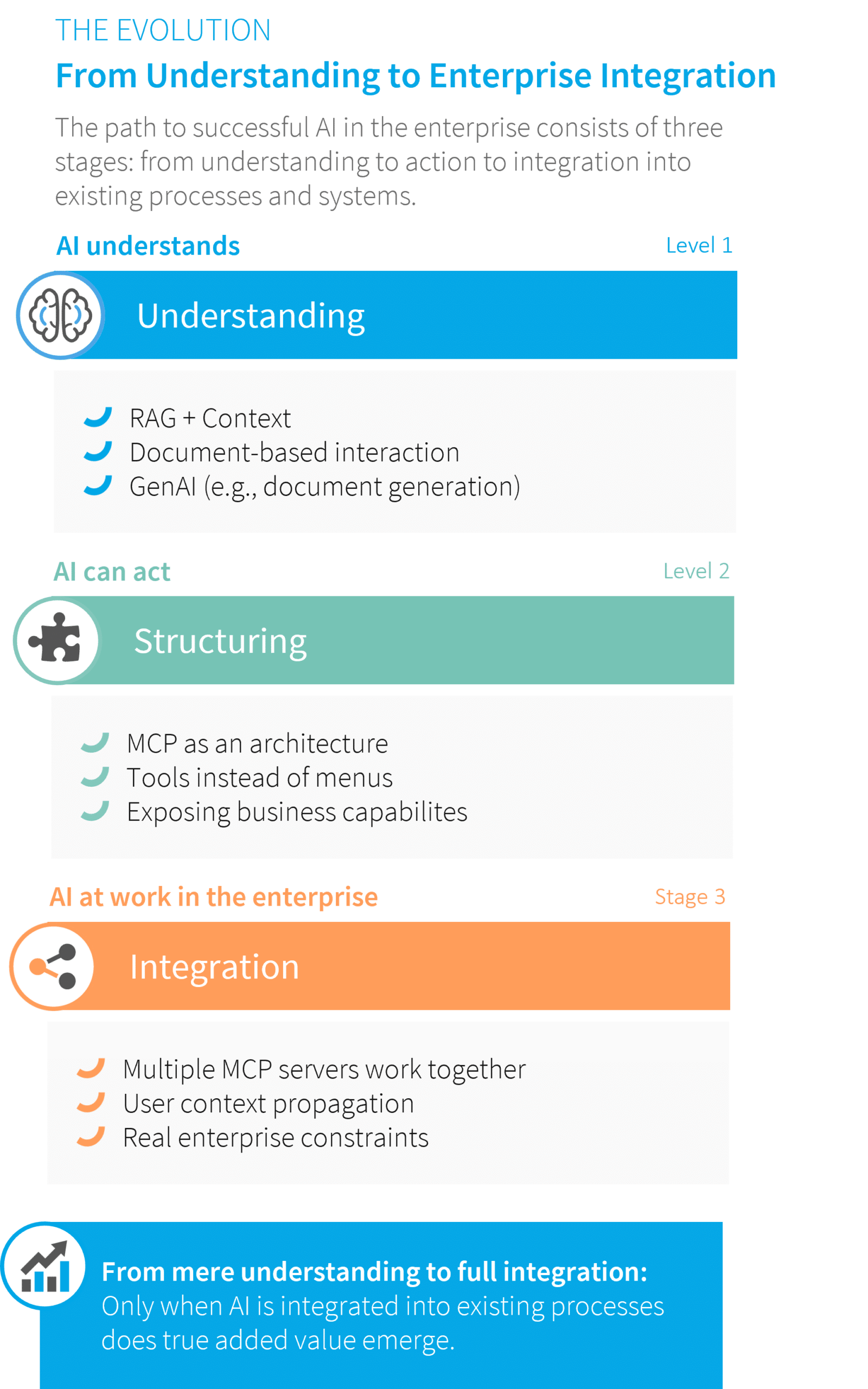
Figure 2:The Evolution of AI – From Understanding to Enterprise Integration | isr.de
6. How Existing Systems Can Become AI-Capable Through Integration – A Real-World Example
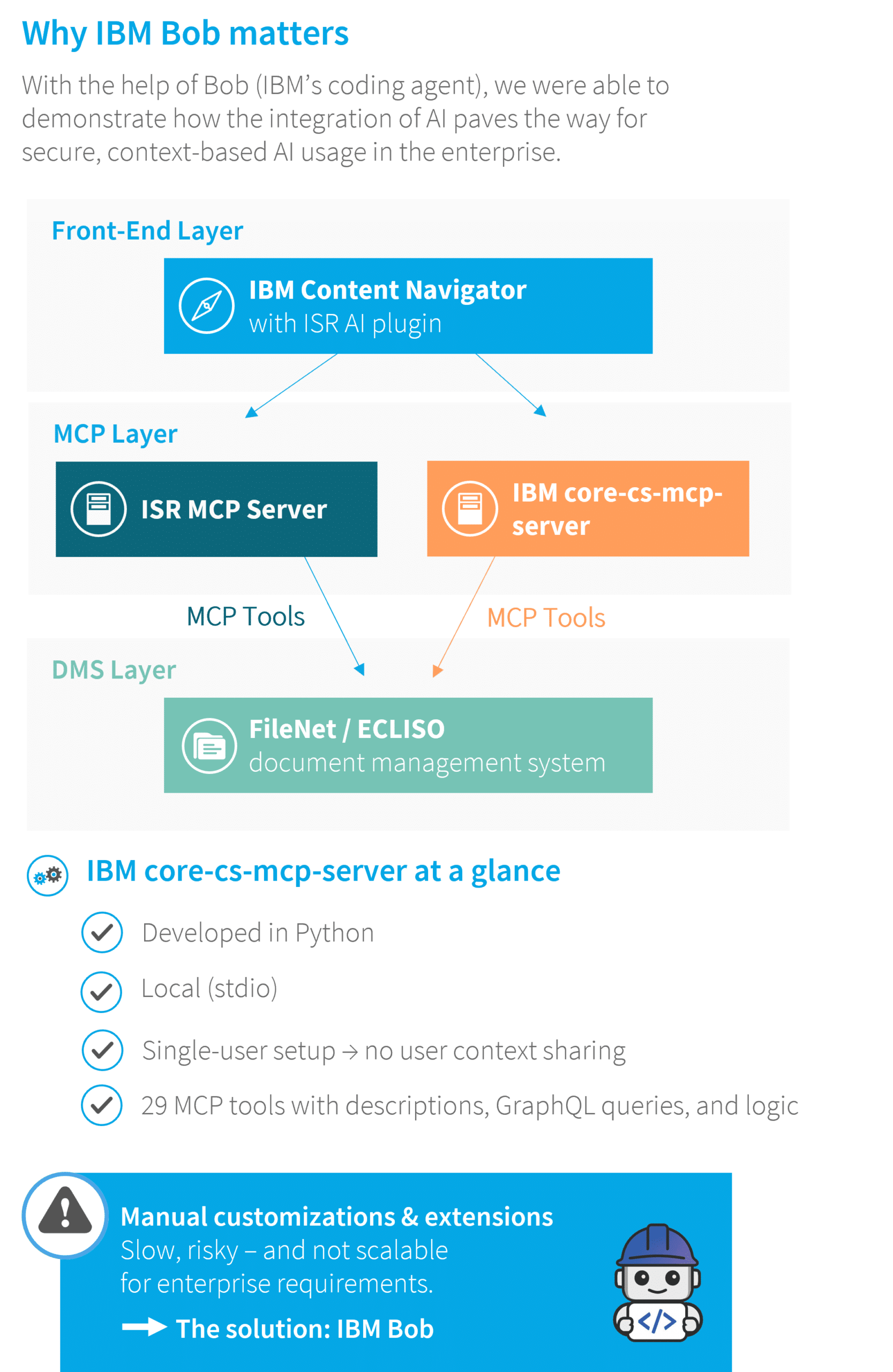
Figure 3: How IBM Bob makes existing AI integrations scalable for enterprise use | isr.de
By using IBM Bob, an AI-powered development partner, this existing structure could be further developed in a targeted manner. The existing logic was not replaced, but rather migrated to a modern, maintainable architecture. In doing so, IBM Bob translated not only syntax, but also existing structures, logic, and patterns into a new enterprise-ready architecture. At the same time, integration into an enterprise environment was enabled. A key component was the transfer of the user context to connected document management systems, such as IBM FileNet Content Manager and ECLISO. See Figures 4 and 5.
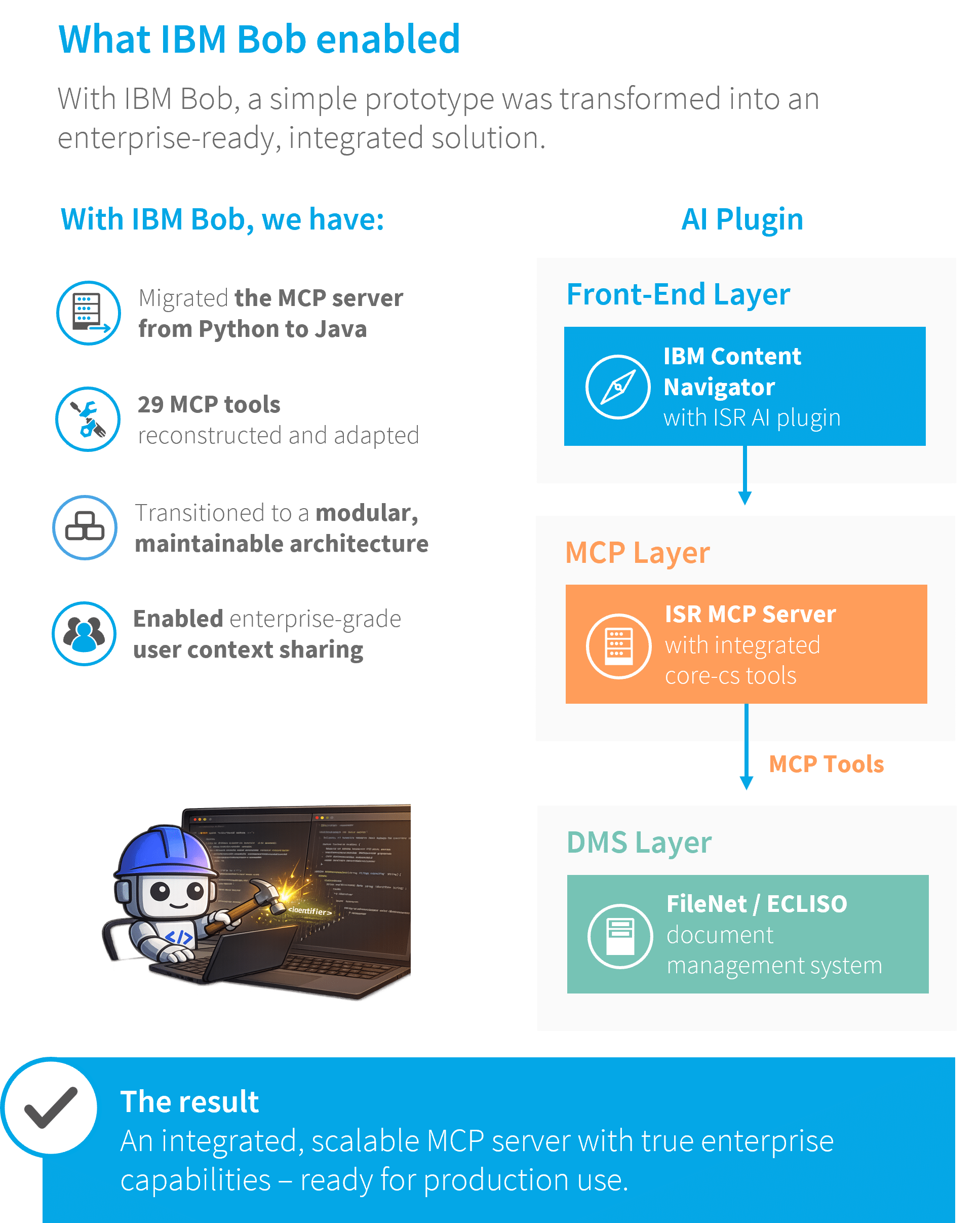
Figure 4: How IBM Bob Makes Existing AI Integrations Production-Ready and Enterprise-Grade | isr.de
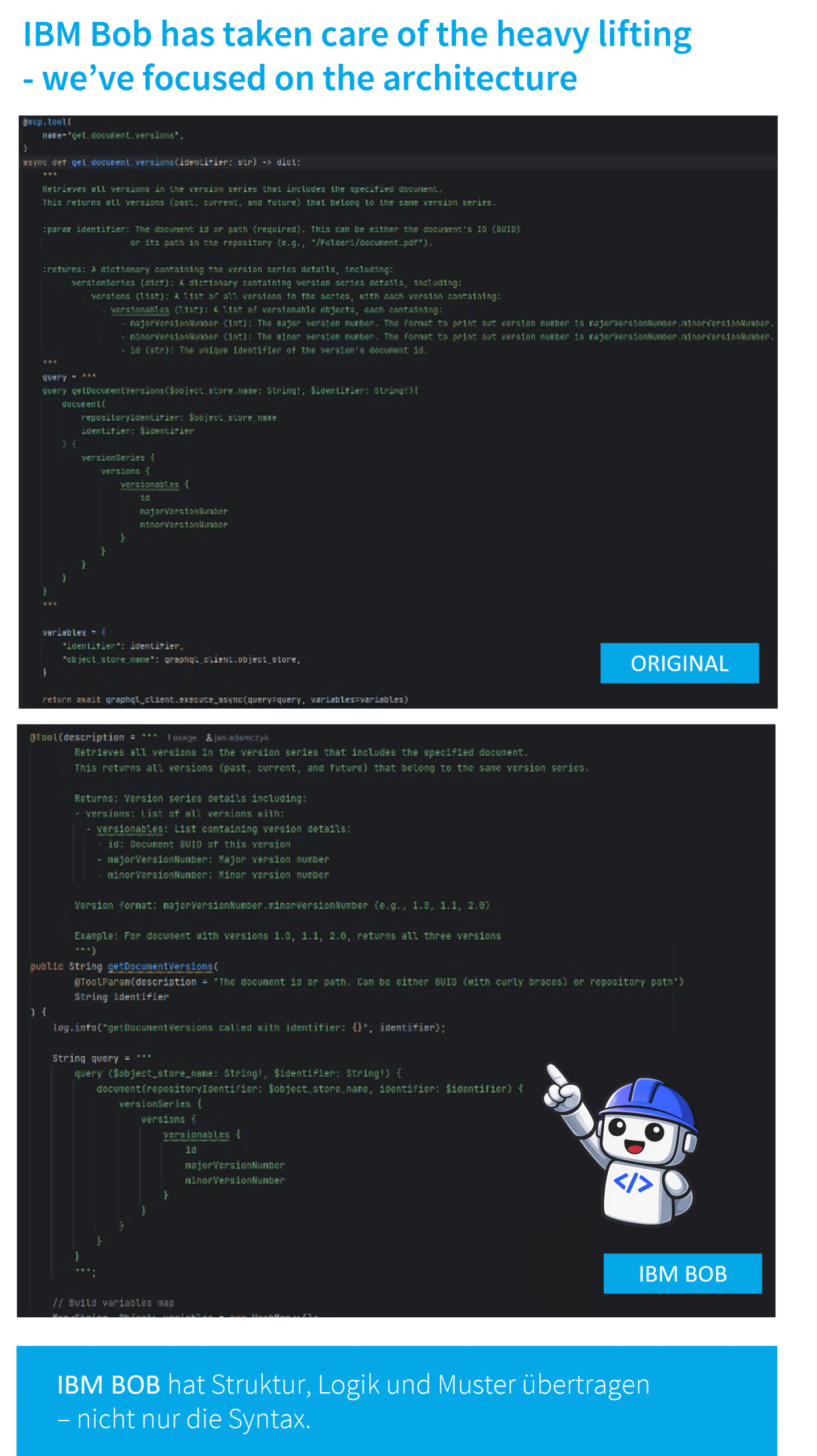
Figure 5: Migration and Architecture Transformation of an MCP Server with IBM Bob | isr.de
As a result, existing authorization models continued to serve as safeguards for MCP tools: The AI could only access content and functions that were also available to the respective user in the source system.
This approach serves as a prime example of how AI can be successfully integrated into existing systems: through further development rather than building from scratch.
7. What AI integration means for businesses in concrete terms
This gives rise to several key areas of action for decision-makers.
- The importance of individual applications is increasingly taking a back seat, while accessible business logic is gaining in relevance.
- At the same time, the role of the user interface is shifting. It remains in place, but is no longer the only way to access systems. AI is increasingly becoming an alternative—and often more efficient—interaction layer.
- This brings the focus to the interoperability of a company’s own IT infrastructure. Companies that integrate their systems and make their functions accessible lay the groundwork for scalable AI applications.
8. Conclusion: The success of AI in businesses starts with integration
- Anyone who implements AI in isolation is simply building another tool.
- Those who embrace integration change the way the company operates.
Contact us today: We’d be happy to assist you!

Jan Adamczyk
Senior Consultant
Business Process Automation
jan.adamczyk@isr.de
+49(0)151 527 45 508