A company functions like a well-oiled machine, with each part meshing seamlessly with the others. Input management is crucial to ensuring that everything runs smoothly. It helps to clearly see the flow of information and documents, as if you were spreading out a map on which every path is visible. With this overview, processes can be specifically improved and optimally controlled so that everything works together smoothly.
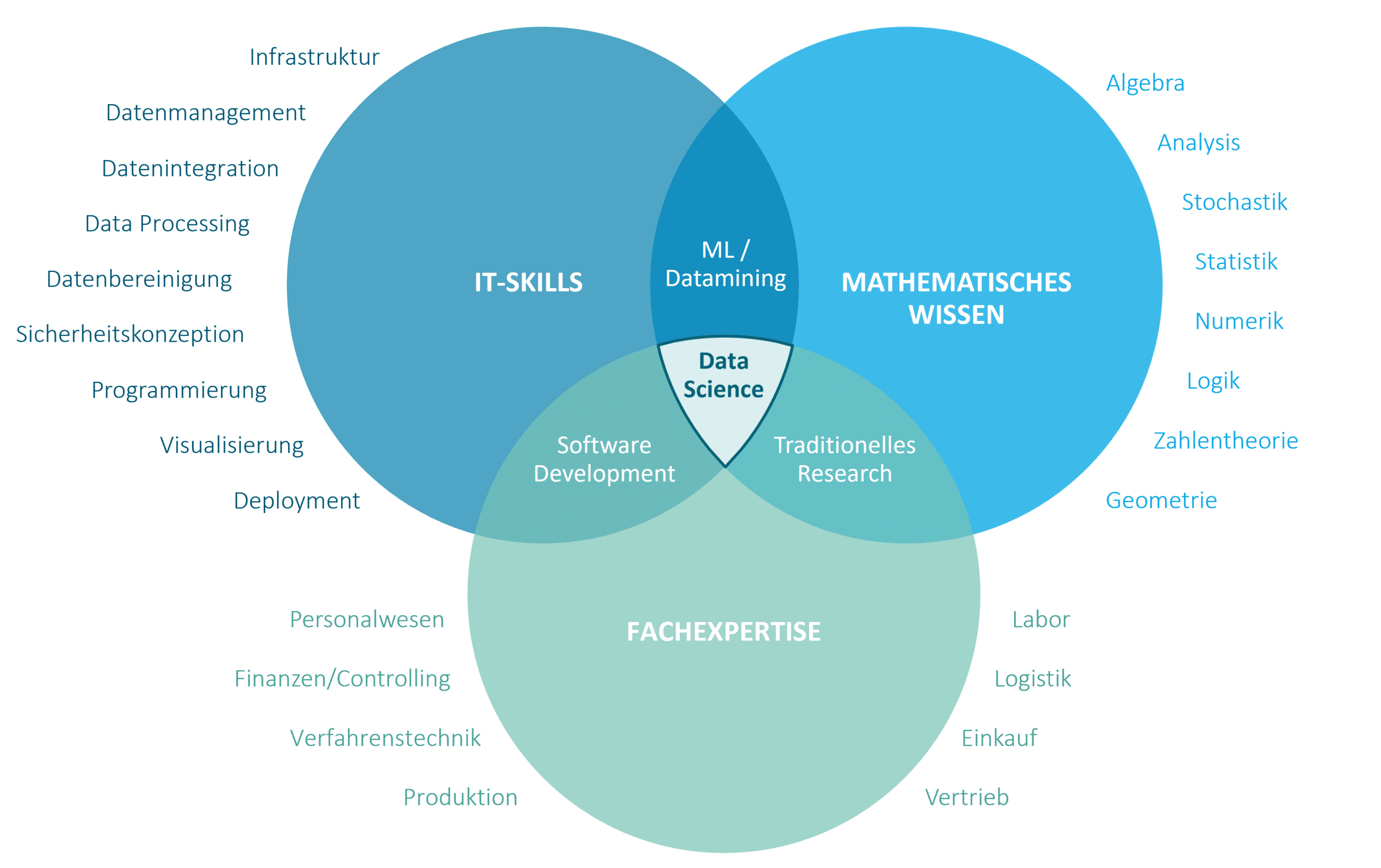
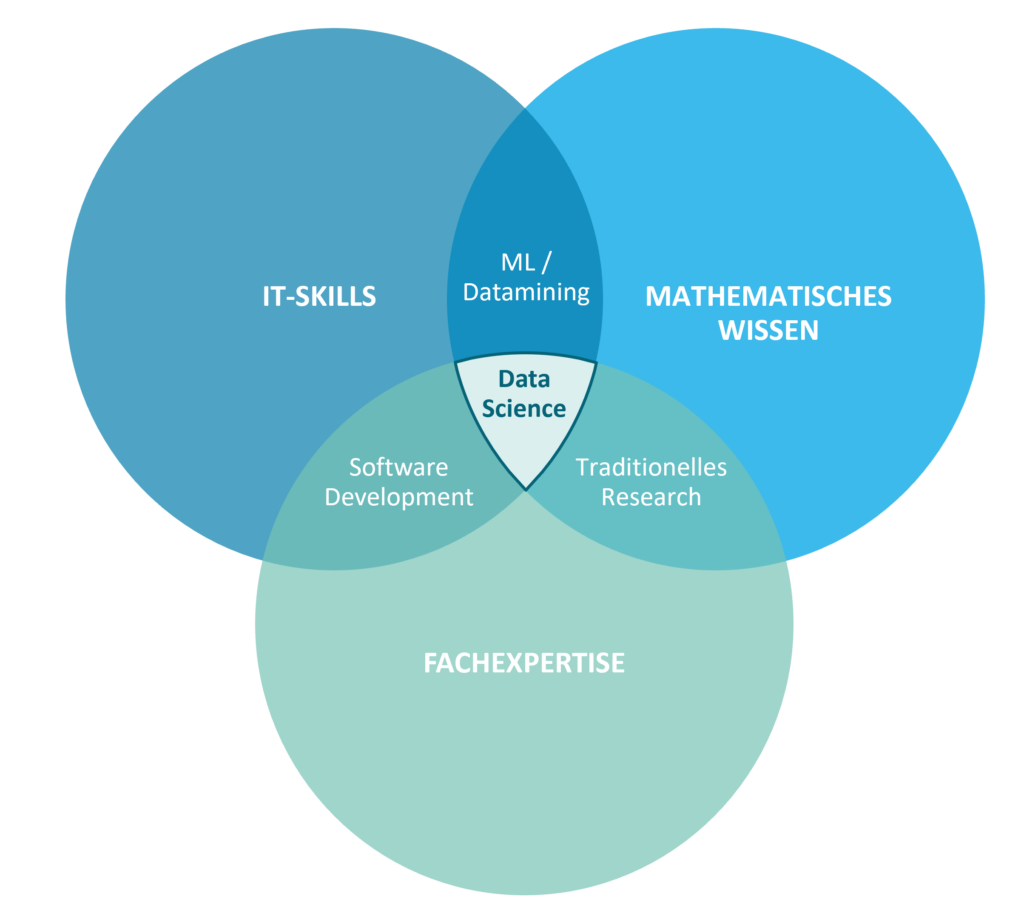
Data science is an interdisciplinary approach that combines advanced techniques such as machine learning, statistics, programming, and domain knowledge to solve complex data problems and create predictive analytics. It goes far beyond mere data analysis. Data science enables companies to identify patterns, trends, and correlations in their data that often remain hidden using conventional methods.
The goal of data science is to enable companies to make informed decisions. Instead of relying on intuition or assumptions, executives can draw on data-driven insights to make strategic decisions, optimize processes, develop innovative products and services, and identify new business opportunities.
Data science architectures
Data science projects often require a scalable and flexible architecture. Cloud platforms such as AWS, Azure, or the Google Cloud Platform(GCP) offer tools for processing large amounts of data (big data), model training with support the graphics processing unit (GPU) and automated deployment. With an appropriately designed architecture, the following aspects are supported:
storage and visualization as in classic analytics
exploratory work
training complex models
Integration of these models into productive systems
It must also efficiently handle dependencies such as specific data sources, libraries, and runtime environments to ensure smooth development and maintenance. Furthermore, it should support workflows for model version control, automation of training processes, and secure handling of sensitive data.
The architecture must be flexible enough to integrate new technologies and algorithms while ensuring high scalability as data volumes grow.
Kay Rohweder
Senior Manager
Data science tools and technologies
The world of data is dynamic, and the tools we use are constantly evolving. We are not only familiar with the latest trends, but also actively shape them. We rely on proven technologies and innovative approaches to unleash the full potential of your data.
The language of data: programming languages
When it comes to data science, choosing the right programming language is crucial. is crucial. Python has established itself as the backbone of many data science projects thanks to its versatility and extensive libraries. Whether it's data analysis with Pandas, machine learning with Scikit-learn , or deep learning with TensorFlow and PyTorch – Python offers a comprehensive ecosystem. Its ability to integrate with other systems and the possibility of developing production-ready solutions make it an indispensable tool.
User interfaces: Where data comes to life
To make the results of our analyses tangible for you, we use a range of user-friendly interfaces. Jupyter Notebooks are our digital laboratory for interactive data exploration and code development. For the visual presentation of data, we rely on a wide range of dashboardingtools. These include solutions such as SAP Analytics Cloud (SAC), Microsoft Power BI and the open-source alternative Apache Superset . These tools enable us to transform complex issues into meaningful dashboards and reports.
The evolution of data science: From isolated solutions to integrated platforms
The days when business intelligence (BI) and data science were separate worlds are over. We are moving increasingly toward an integrated data platform. Classic BI tools, such as SQL-based databases and ETL processes, continue to form the basis for a solid database. But we now seamlessly combine these with the advanced analysis methods of data science. Modern data warehouse solutions such as Snowflake, Databricks, and Microsoft Azure Synapse play a central role here, as they facilitate the integration of data from various sources and form the basis for comprehensive analyses and machine learning workflows.
We are not limited to proprietary technologies. We take your requirements into account and offer you the option of building a hybrid landscape with open source technologies. This flexibility enables us to develop customized solutions that integrate seamlessly into your existing IT infrastructure, enabling you to get the most value out of your data.
Data science vs. traditional data analytics
Data science and traditional data analytics are two approaches to processing and analyzing data that are often used interchangeably, but are in fact different.
Data Analytics
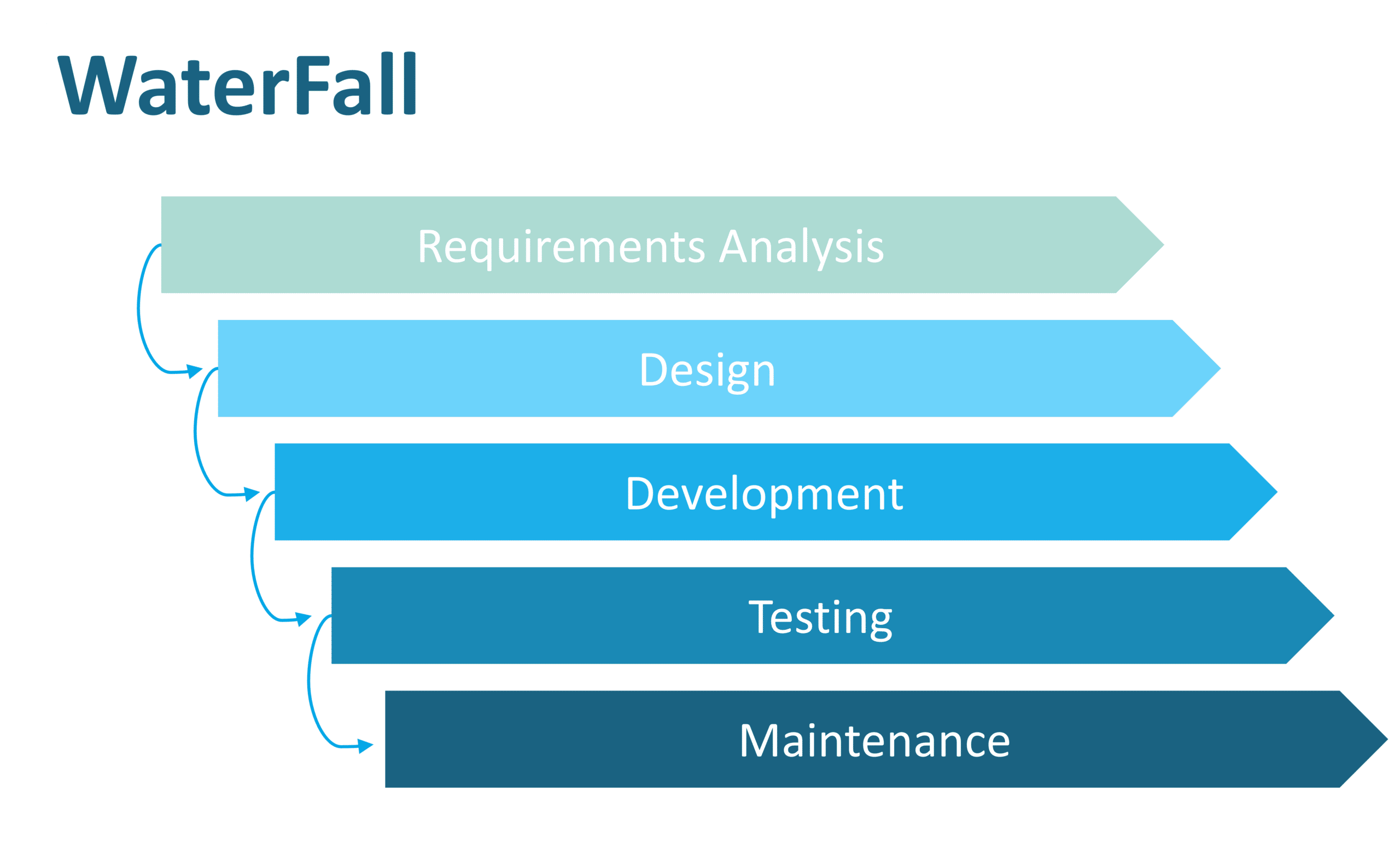
In classic dataanalysis(e.g., with KPIs), the focus is on analyzing historical data. Processes often follow a linear waterfallapproach: data collection, cleansing, visualization, and reporting. The goal is to explain past events and identify trends. The lifecycle is less dynamic, as models typically remain static and are not continuously updated.
Data Science
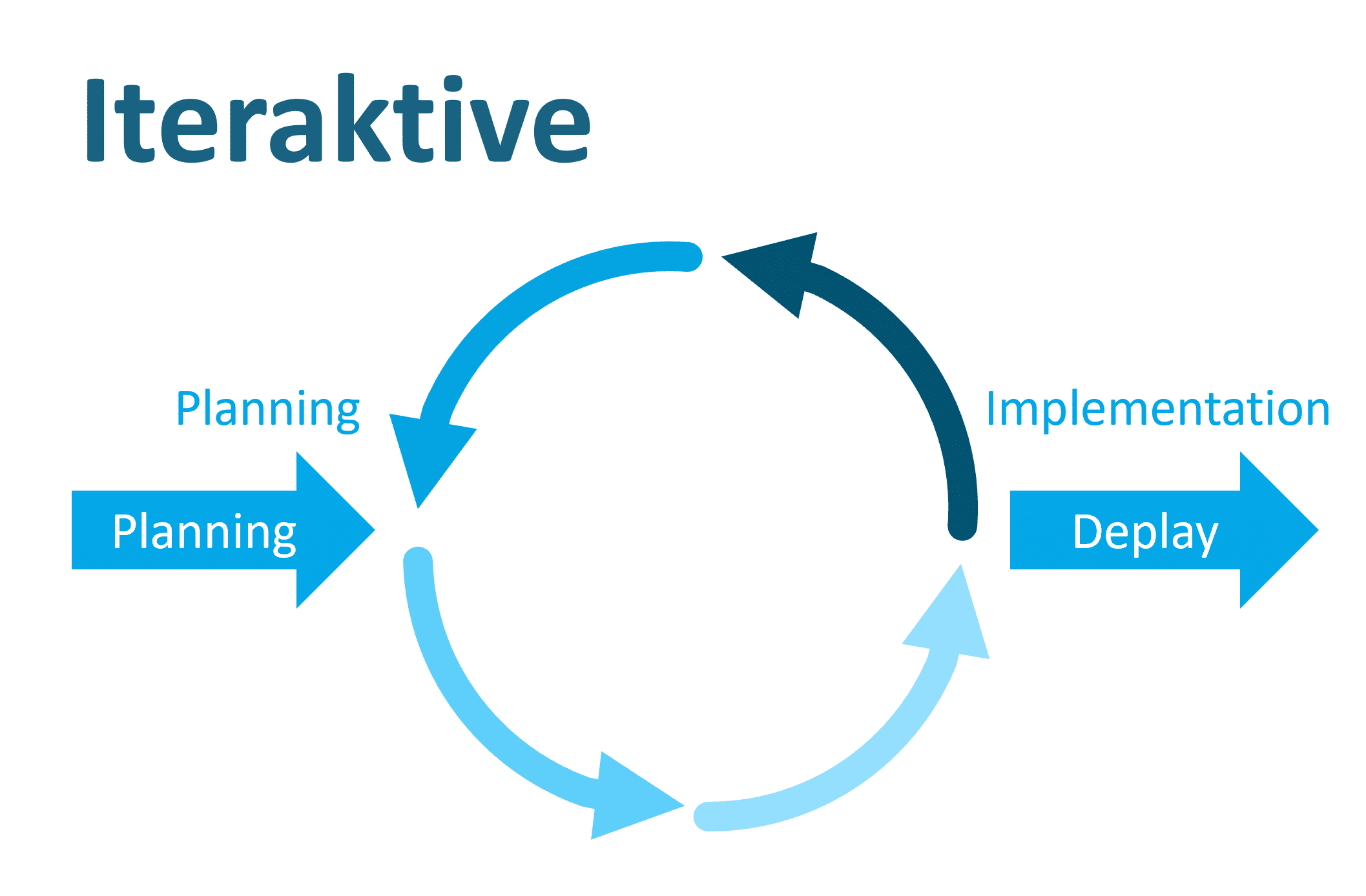
The (model) lifecycle in data science is iterative and exploratory. It comprises several steps: data preparation, feature engineering, model training, validation, deployment and continuous monitoring. Data Scientists often work with machinelearning and deep learning models, whose performance (in terms of accuracy) is improved through repeated experimentation and optimization. This iterative process is essential, as models need to be reviewed over time and adapted to new data. A flexible and powerful architecture is indispensable to ensure scalability and efficiency at every stage.
Challenges of data science
Despite the enormous potential of data science, there are always challenges that must be taken into account when applying it in companies. Obstacles often arise, particularly in the areas of data quality and quantity. The following circumstances can distort results and lead to inaccurate forecasts:
Insufficient or incomplete data sets,
Inconsistent data sources or
Incorrect data processing
The selection and use of the right models and algorithms are also crucial: an incorrect model or insufficient adaptation to specific business needs can lead to suboptimal solutions. Another common problem is the interpretation and understanding of the model results. Without a sound knowledge of the methods used, decisions can be made based on false assumptions or misunderstandings.
Data science can only be successful if it is optimized in close collaboration with subject matter experts and through continuous monitoring and feedback. Another critical aspect is the scalability of solutions—especially when dealing with large amounts of data and complex analyses. Data science initiatives often fail due to integration issues with existing systems or a lack of adaptation to changing requirements. Striking the right balance between technological knowledge and practical applicability is crucial for implementing data science projects in a sustainable and effective manner.
Data science in practice: Detecting anomalies using sensor data
In this video, we will take you using a live demowith a prototype and various use cases. data science .
Application of data science in practice
The potential applications of data science are diverse and span numerous industries and business areas. To gain a better understanding of its practical significance, we will present a series of specific use cases below. ..
1. Production and logistics:
Predictive maintenance: Sensor data can be used to predict machine problems before they lead to breakdowns, optimizing maintenance work and reducing downtime.
Supply chain optimization: Data science helps companies optimize their supply chains, reduce inventory levels, and minimize transportation costs.
Quality control: Analyzing production data can help identify errors and improve product quality.
Process optimization: By analyzing production data and processes, companies can identify inefficiencies and optimize their processes.
2. Finance and risk management:
Credit risk assessment: Data science models are used to assess the creditworthiness of applicants and minimize credit defaults.
Fraud detection: By analyzing transaction data, patterns can be identified that indicate fraudulent activity.
Portfolio optimization: Data science helps financial institutions optimize their investment portfolios and spread risk.
Predicting market developments: By analyzing financial data and economic indicators, companies can attempt to predict market developments and adjust their decisions accordingly.
3. Marketing and sales:
Customer analysis: By analyzing customer data (e.g., purchase history, website behavior, demographics), companies can gain a better understanding of their customers and develop personalized marketing campaigns that increase conversion rates.
Lead scoring: Data science models can evaluate leads based on their likelihood of becoming customers, helping sales teams focus their resources on the most promising leads.
Churn analysis: Analyzing customer churn patterns enables companies to identify at-risk customers and take targeted measures to retain them.
Price optimization: With the help of data science, companies can develop dynamic pricing strategies based on demand, competition, and other factors to maximize revenue.
.
Data science consulting with ISR Why you should choose us!
Are you looking for a partner on your journey to becoming a data-driven company? We are here to support you with our many years of expertise in data science consulting! With our in-depth understanding of advanced analytics, we accompany you from strategy to implementation. Our experienced data science consultants enable you to discover valuable potential in your data and optimize your decisions based on data. Thanks to our long-standing partnerships with SAP, IBM, and Microsoft, we are happy to advise you across technologies (Python, R, Spark, SPSS, Watson Studio, Dataiku, etc.).
We offer that too. Additional consulting services
Data Science Consulting
With our solutions, we design your data processes to be efficient and future-proof, enabling you to gain competitive advantages.
Get in touch with us now We would be pleased to advise you.
Leverage the expertise of our Data Science Consultants to elevate your data strategies to the next level. We invite you to contact us for a no-obligation initial consultation to discover how Data Science Consulting can sustainably optimize your business processes.