
We report on our consulting services for an ongoing digitization project at an SME in the industrial manufacturing sector.
The "digital transformation" is currently changing everything! Both large companies and corporations as well as small and medium-sized enterprises (SMEs) are facing major changes, both internally and externally: Companies not only have to deal with the digitization and automation of their internal processes, but also question their entire business model. In addition, recognizing the potential of innovative and disruptive digital technologies is becoming increasingly important. Problem: Due to their limited financial and human resources, SMEs often do not have the means to build up the necessary skills quickly enough. This is where #TeamISR comes in! In this blog post, we want to use an ongoing example project to illustrate how we can help with our consulting services.
The customer
Our customer is a medium-sized, order-oriented manufacturing company that successfully sells its products worldwide. Order processing and manufacturing are characterized by a strong customer focus and the associated specificity of orders. Added to this are objectives such as high adherence to delivery dates, short throughput times, and a high degree of flexibility.
The Problem Statement
In the past, this led to a high degree of individualization of internal processes and supporting information systems (especially PPS systems). The application systems used in order processing and manufacturing were characterized by isolated solutions that were rigidly linked and had a low level of integration. In addition, the high degree of specialization and individualization led to a strong "departmental mindset" and resulting coordination deficits.
Therefore, the company management's goal was to reinforce the concept of process orientation and eliminate organizational interfaces. In addition, the aim was to reduce the complexity of the processes and minimize media discontinuity through end-to-end system support for business processes. The internal IT organization was also to be redesigned, as this is a key factor in the successful digitization and automation of business processes.
How did ISR Business Process Automation help?
For the reasons stated above, the customer has decided to take advantage of our consulting services and seek assistance in answering the following questions:
- What is the current digital maturity of the company in terms of business processes, organization, application landscape, IT infrastructure, and IT service processes?
- What is the status quo of the internal IT organization? What can IT already do, and what can it not do?
- What digitization measures and activities should be initiated in the short and medium term to improve digital maturity? Which projects should be carried out? What resources (budget, time, personnel) should be made available? What changes must be made to the organization and processes?
Measuring digital maturity
To find answers to these questions, we worked with the customer to conduct the ISR Digital Maturity Check to determine the company's digital maturity level (read morehere). This is a structured and methodical approach to assessing the company's digital status. The dimensions examined here can be divided into three clusters: strategy, organization and processes, and IT (see Figure 1).
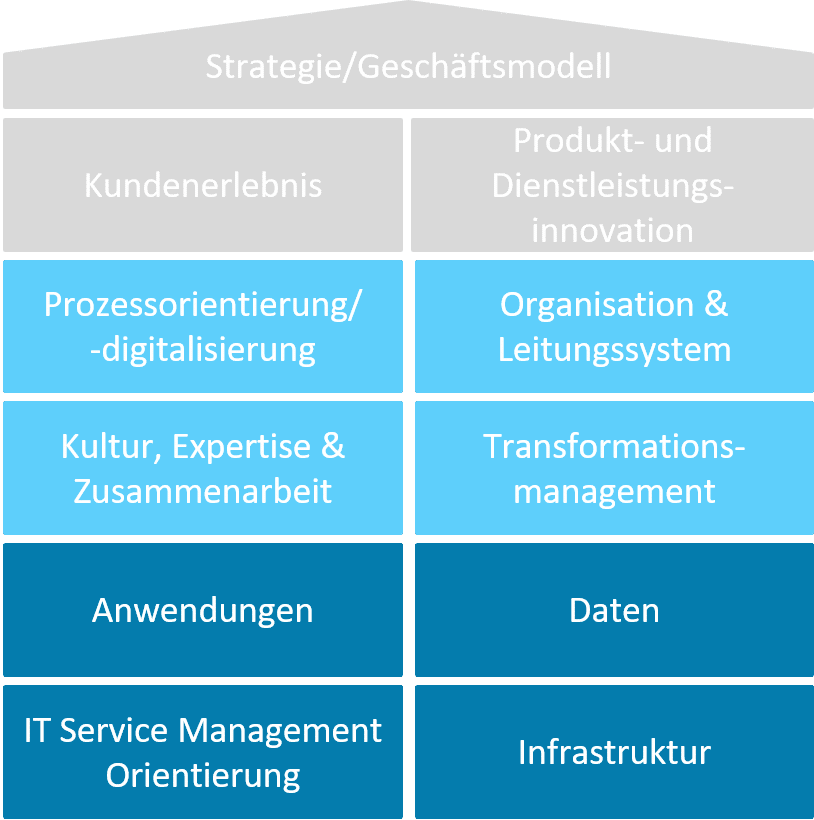
Figure 1:Research dimensions and clusters
Assessing digital maturity
For each dimension of the study, the status quo of digitalization and the existing strengths and weaknesses were determined. This was followed by classification in the maturity model (see Figure 2) by both the customer's employees and us as experts.
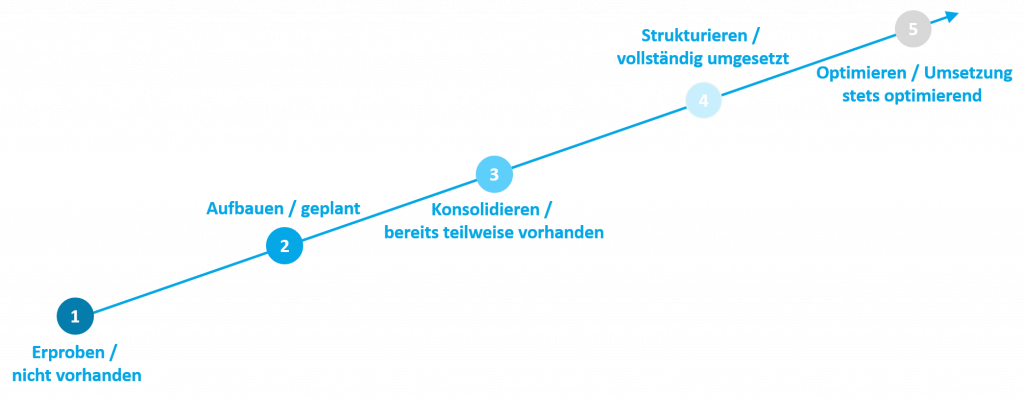
Figure 2:Maturity levels of the maturity model
In consultation with the customer, the maturity assessment was limited to eight of the eleven dimensions examined and was carried out over a period of around six weeks. The assessment resulted in an insightful maturity rating (see Figure 3).
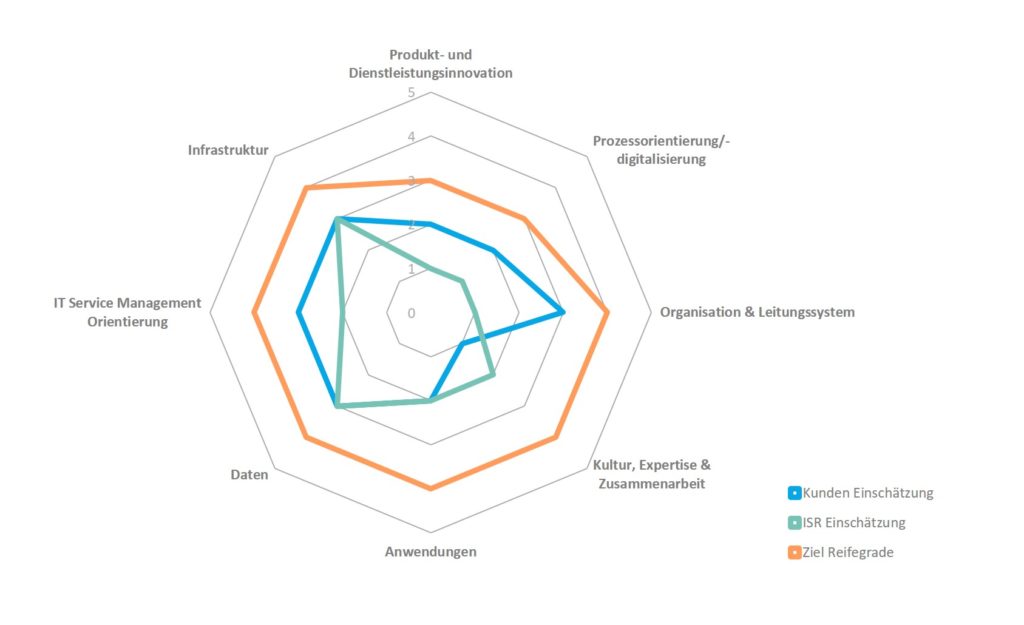
Figure 3:Maturity assessment
The identified areas for action
As a result of the subsequent analysis and evaluation phase, which focused on business processes and their support by existing IT systems, relevant areas for action to improve digital maturity were identified. Here is a selection:
Cluster strategy: Development of digital strategy
Cluster Organization & Processes: Digitization of business processes (end-to-end), definition of business objects, organizational regulations and responsibilities
IT cluster: Application architecture, IT project methodology, IT organization, IT service processes, IT service catalog, IT ticket system
Our next steps
Following the maturity assessment, the first major project involved analyzing and designing business processes were analyzed and designed. The main goal of this project was to significantly improve the support and digitization of business processes. To this end, the customer's core and support processes were recorded, modeled, and optimized in order to redesign and expand the existing ERP system.
The next step is to develop a suitable and sustainable digital strategy with the involvement of senior and middle management. Taking into account employees, structures, processes, technologies, customers, and partners, this strategy should formulate a digital vision for the customer and integrate the idea of digital transformation into the corporate culture.
Next up is the restructuring of the IT organization so that IT can respond better and more effectively to problems and requirements in the specialist departments and assume the role of "digital enabler." To this end, the aim is to transition to what is known as "bimodal IT." IT will be responsible for ensuring the stability and reliability of the current systems. In addition, IT is to become more agile and service-oriented so that, in addition to day-to-day business, it can actively drive forward digitization projects and thus make an important contribution to the (future) digital strategy.
Summary: An overview of our approach
The implementation of the ISR Digital Maturity Checks was the first step in the process analysisProcess analysis is an essential tool for efficient and... More and optimization for our example customer. So far, we have successfully made a targeted start on the first digitization project. We look forward to the next steps in the project.
Questions? Comments? Interested?
Then we look forward to hearing from you.

Mark Hommola
Head of Business Process Automation
Business Process Automation
mark.hommola@isr.de
+49(0)151 422 05 426