
There are many digital maturity models. How do they differ? What are typical areas of investigation? And what do you need to consider when choosing one?
What to Expect Here – An Overview
1. Digital maturity measurement raises and sharpens awareness
2. Digital maturity models and their categories
3. Digital maturity models and their dimensions of investigation
4. No two digital maturity models are alike
5. Digital maturity models: Our classification of the study results
Digital maturity models have sprung up like mushrooms in recent years. Almost every consulting firm, every "digitalization partner," and even scientific institutes, competence centers, and associations offer models and methods for measuring the degree of digitalization of small and medium-sized enterprises in Germany.
With a comparative study of the measurement criteria for digital maturity models, the Scientific Institute for Infrastructure and Communication Services has therefore attempted to bring transparency to the multitude of digital maturity models available on the market.
We would like to summarize and classify the results for you in this blog post. You can view the full publication here.
Digital maturity measurement raises and sharpens awareness
Small and medium-sized enterprises have long faced the challenge of maintaining a digital overview and identifying and launching the right digitization activities. Limited budgets must be used sensibly and successfully; frequent failed attempts and digital activism must be avoided. More than ever, it is important for an organization to recognize the opportunities and innovation potential of new technologies on the one hand and their disruptive potential on the other, and to use or ward them off in a targeted manner. Digitalization therefore requires strategy!
A well-designed and well-executed digital maturity assessment should therefore raise awareness of digitalization and the need for action in the company under review. In addition to the current individual status, the maturity assessment should also provide concrete recommendations for action with regard to the dimensions under review and their digital transformation possibilities.
Digital maturity models and their categories
More than 40 maturity models were evaluated in the above-mentioned study. The following four categories for digital maturity models could be derived from this:
Conceptual models develop the theoretical basis for maturity models. They generally describe the requirements and procedures for measuring maturity. Concrete applications and market testing are often lacking.
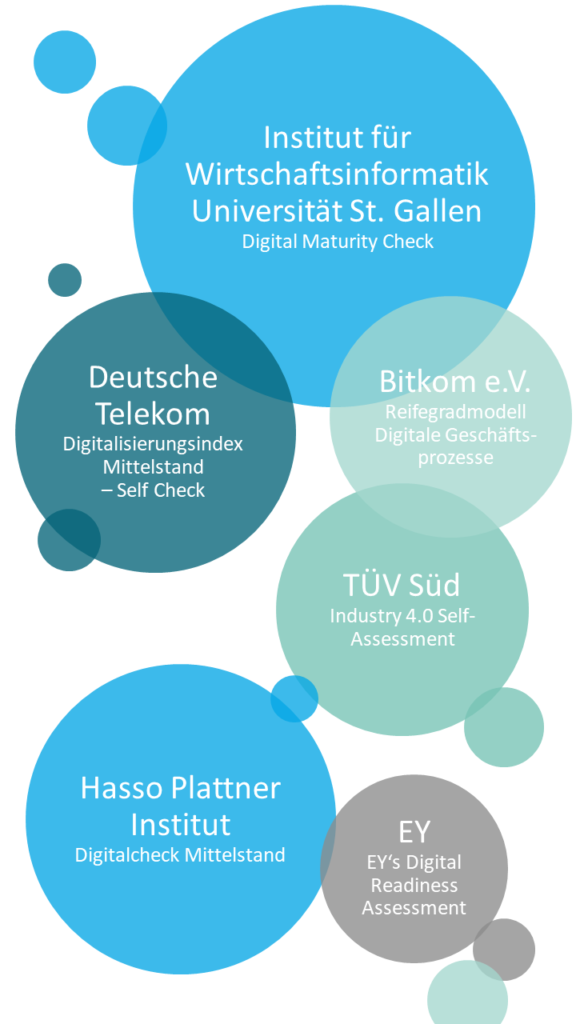
Figure 1:Selection of digital maturity models considered in the study | isr.de
Digital maturity models and their research dimensions
Digital maturity models generally attempt to capture relevant dimensions of digitalization with the help of self-assessments. Questionnaires are used to record various dimensions and indicators that describe or influence these dimensions. The questions attempt to capture the "degree of fulfillment" of the indicators for a dimension as accurately as possible. The higher the level of agreement or degree of fulfillment, the higher the score and thus the digital maturity level in the individual dimension or of the company.
Based on a selection of 19 maturity models and their questionnaires, the study identified nine topic clusters or research dimensions using topic modeling:
No two digital maturity models are alike
There is considerable overlap between some of the maturity models examined in terms of the clusters they cover. However, the individual models also have very different focuses and deal with different topics.
As a result, the models interpret and measure digitalization differently—no two models are alike! There is no standard for digital maturity models and, therefore, no single correct degree of digitalization.
Digital maturity models: Our classification of the study results
For a company that wants to carry out a digital maturity assessment, this means that it should pay attention to which (research) dimensions a specific model examines. Only if a maturity model focuses on dimensions that the company can influence can the assessment itself and the results or possible recommendations for action provide concrete benefits for the company.
In particular, a company or consulting firm should ensure that the model used and the specific maturity measurement take into account so-called digitization barriers. In other words, particular attention should be paid to what prevents an SME from becoming more digital!
How does ISR assess your digital maturity?
The ISR Digital Maturity Check is based in its fundamentals on the model of the same name mentioned above, developed by the Institute for Information Systems at the University of St. Gallen.
However, the ISR approach not only uses the concept of self-assessment, but also supplements the already comprehensive and highly scalable St. Gallen model by incorporating internal company (process) data and expert assessment. This enables ISR consultants not only to generate a detailed and company-specific picture of the state of digitization, but also to develop appropriate recommendations for action.
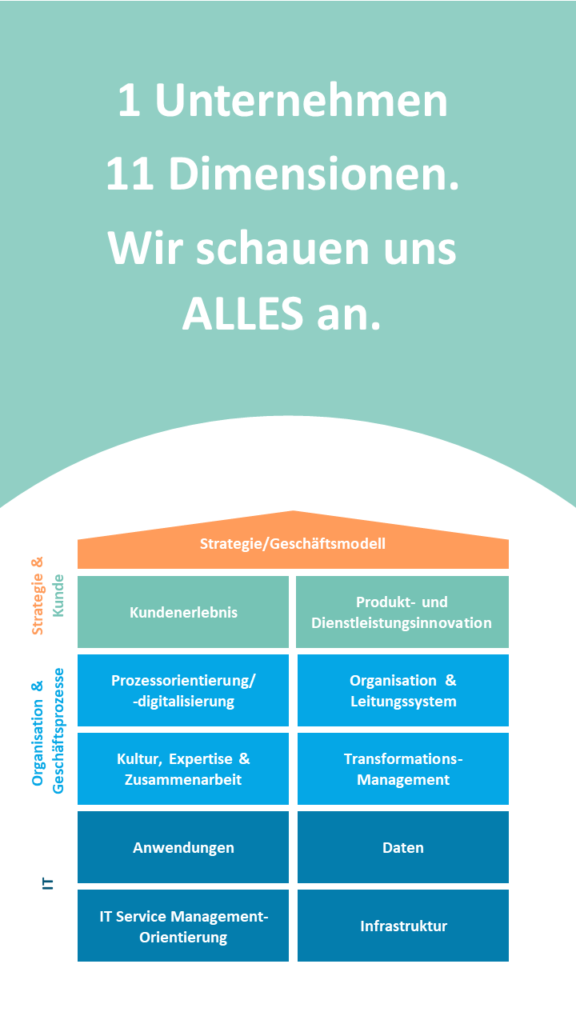
Figure 2:The various possibilities of cloud architecture | isr.de

Birger van der Spek
Managing Consultant
Business Process Automation
birger.vanderspek@isr.de
+49(0)151 422 05 453