
Process Mining is a tool-supported analytical method that can uncover valuable automations within digital (business) processes.
What to Expect Here – An Overview
1. How are Process Mining and Process Management related?
2. Process Mining is on everyone's lips: But what exactly does it mean?
3. What objectives does Process Mining pursue?
4. What do we understand by Process Automation?
5. How does Process Mining assist Process Automation?
6. Where is Process Mining applied?
Many companies have already digitized their business processes. According to the Digital Office Index 2022, 75% of the surveyed companies are already digitized to an average or even above-average extent. However, this is not the end of the journey. Digitized processes should also be continuously monitored to identify inefficiencies and leverage cost-saving potentials.
Who would have thought it? Employees may, under certain circumstances, utilize the digital business process quite differently than originally intended. It is also possible that the process lacks complete transparency, leading to the creation of inefficient workarounds. Alternatively, department-specific adjustments might be made to the process without consulting the project managers.
Process Mining can be utilized to uncover how a process is actually implemented within the company. How do I proceed? And what should I consider? Find out here!
How are Process Mining and Process Management related?
For context: Process Mining can be assigned to the domain of 'Process Management'. Process Management primarily involves the planning, design, and implementation of digital processes within organizations. Monitoring and documentation also play a significant role.
Typically, process managers interview employees within an organization regarding daily work steps and process flows. Based on these findings and further insights into the client's IT landscape, the process manager generates an as-is process model. This provides the foundation for discussions about future to-be processes. As you can see, this is a rather manually intensive, high-level process, yet it serves its purpose effectively. In contrast to this classical approach, Process Mining adopts a data-driven methodology.
Process Mining is a prevalent topic: But what exactly does it entail?
“The principle of Process Mining appears straightforward on the surface: Input data, extract information. However, it is often not quite that simple in practice.”
(Christian Fritzler | Consultant | Business Process Automation)
Process Mining analyzes digital business processes within an organization based on event logs. Processes, transactions, and events are routinely logged in corporate applications as log files and can be analyzed using data mining algorithms. The Process Mining tool then generates graphics and statistics from this data (see Figure 1, Image 1).
However, it is crucial to define the project scope before implementing Process Mining. You must clearly delineate which business process or specific business processes you intend to analyze. As an example, we have selected a simple vacation approval process. Using this, we will illustrate the 4-step sequence involved in Process Mining.
First Step – Execution
Second Step – Extraction
- How long does a single work step / an entire process take?
- Where are process steps repeated?
- At which process steps are there deviations from the defined standard (to-be process)?
- Which process steps are particularly time-consuming?
- How much does a process step cost?
Third Step – Process Mining
Fourth Step – Results
This forms the basis for the fourth step: generating results and presenting them in the form of process models (see Figure 1, Image 5). The figure displays two process models generated through Process Mining. On the left side, the as-is vacation approval process is shown. In this example, 2 out of 10 individuals request special leave, which necessitates an additional loop through the HR department. On the right side, this process graphic is supplemented with the defined to-be processes. Thus, in this case, it can be observed that no requested leave was rejected (see gray path) – even though this is a possible to-be process step.
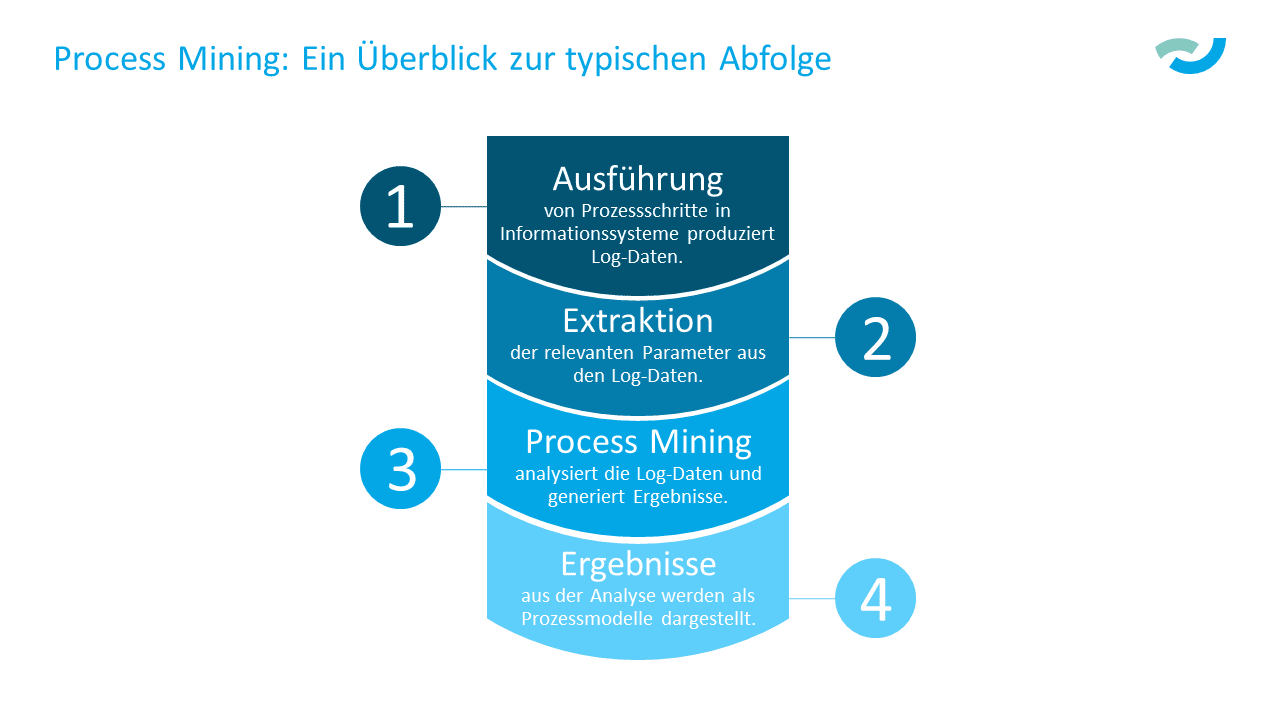
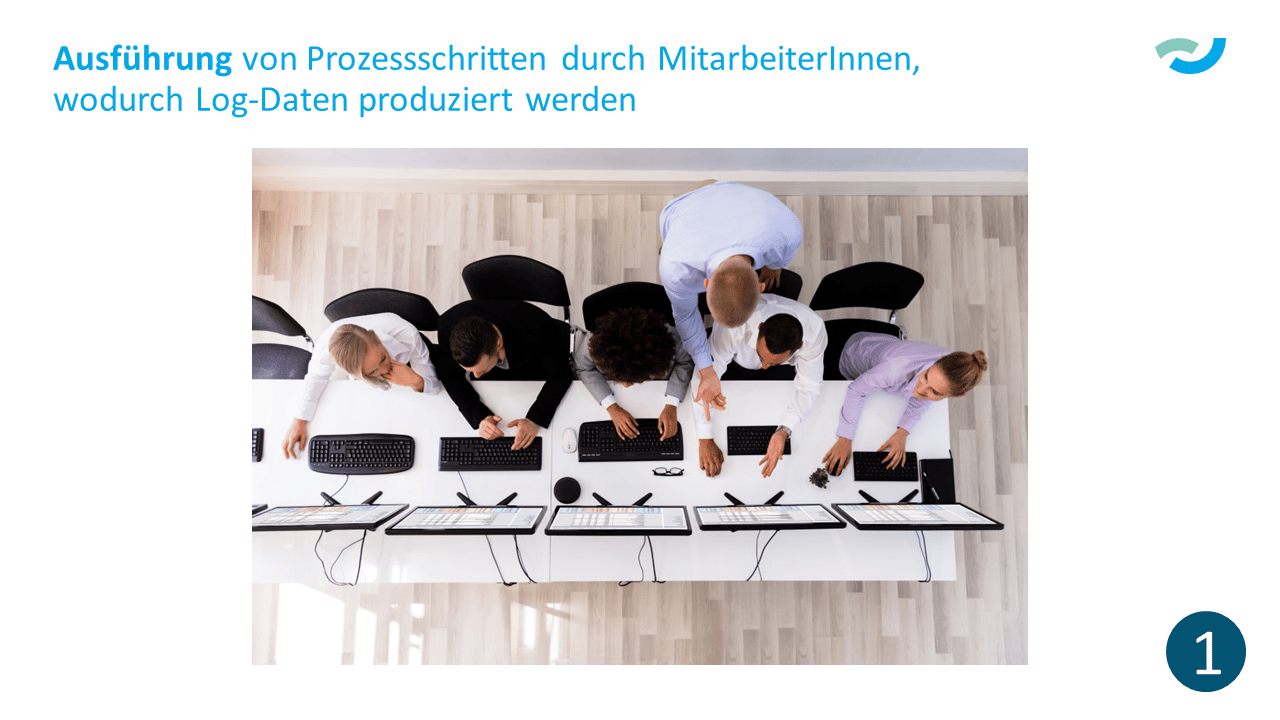
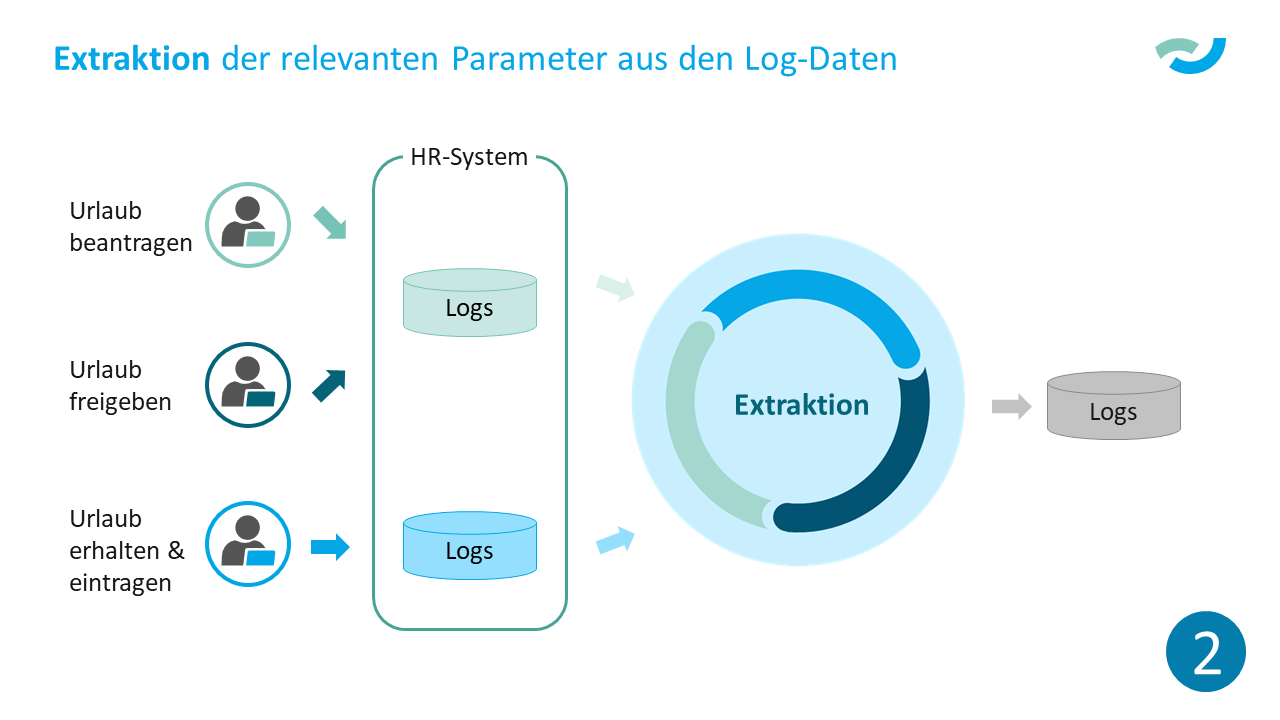
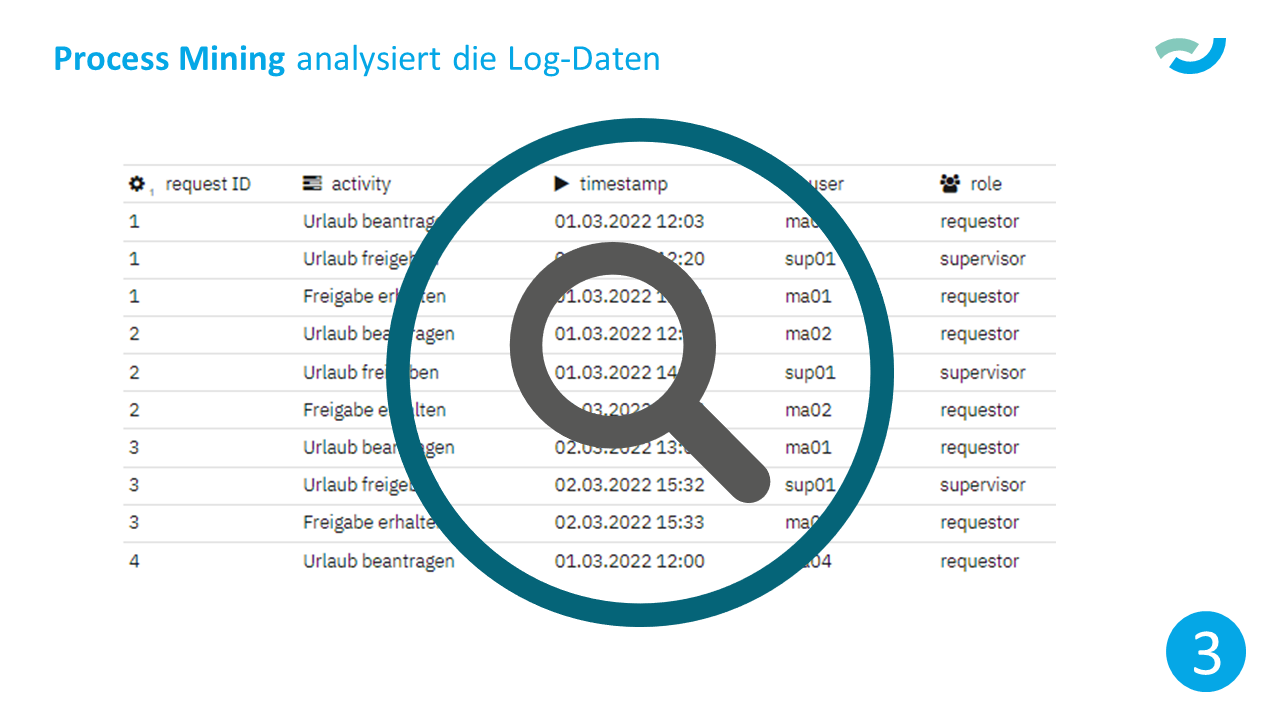
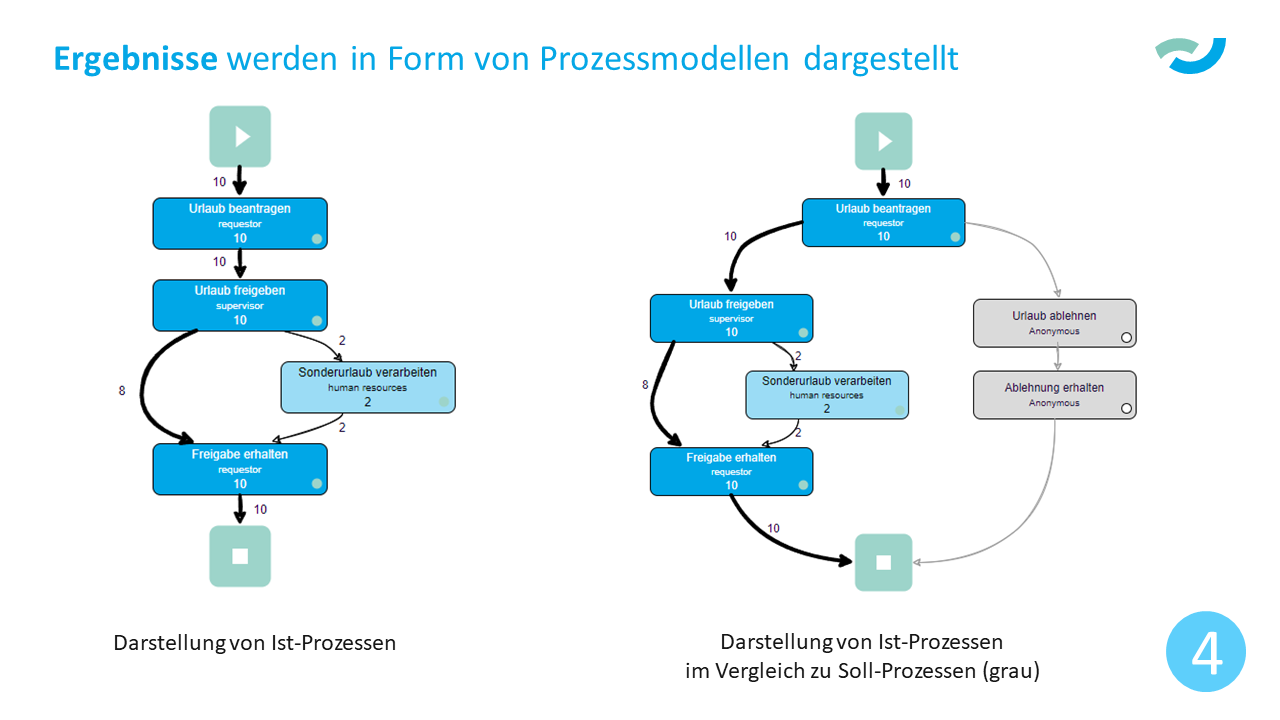
Figure 1: Process Mining: the typical sequence | isr.de
What objectives does Process Mining pursue?
While Process Mining does not achieve actual process automation, it is highly beneficial for enhanced process understanding and optimized process efficiency.
Enhanced process understanding is achieved by scrutinizing your digital processes with a Process Mining tool. This yields unprecedented transparency into current operations. The primary advantage stems from the data-driven methodology, as 'hard facts' are inherently difficult to refute.
Furthermore, Process Mining results enable the identification of process inefficiencies and optimization opportunities. Beyond this, Process Mining facilitates the simulation of future scenarios. With just a few clicks, 'as-is' processes can be compared with 'what-if' scenarios, revealing where automation will lead to the most substantial process improvements. The outcome is a landscape of efficient (business) processes.
Efficient processes offer several benefits:
- Relief for your employees – allowing more time for essential tasks.
- Cost savings advance your business by minimizing process expenditures.
- Improvement of your processes and faster turnaround times – ensuring full satisfaction for your customers or employees.
- Employee satisfaction: Frustration and overtime for your employees become a thing of the past.
Our Tip: Implement Process Mining at regular intervals within your organization. In an era where the business environment – particularly customer expectations – is dynamically evolving, digital business processes must also adapt to external requirements.
What do we mean by Process Automation?
By process automation, we refer to the digitalization of manual processes within an enterprise. However, this is not a one-to-one digitalization; instead, processes are re-evaluated, optimized, and then transformed into a digital format. This approach simultaneously allows for the elimination of superfluous work steps during automation.
Let's consider a typical example: processes in a customer service center. Customers traditionally communicate with the company via letters, phone, or email. Cancellations, new contracts, change requests, complaints, and perhaps even a letter of commendation, must be processed by customer service center employees. To ensure successful handling, these operations are routed through the company according to a defined target process. This is where it becomes interesting: Do the processes run as desired? Are there steps that are repeatedly executed even though they are unnecessary? Are employees overloaded because work piles up for them, while others are idle? Are cancellations always processed faster than new contracts? All these weaknesses can be identified by analyzing the 'as-is' processes – this is where the truth lies. If digitalization, then holistically!
How does Process Mining support Process Automation?
Process Mining assists you in determining the optimal automation strategy. How? The tool analyzes the performance, productivity, and frequency of specific business processes. This enables the identification and automation of common process paths and repetitive/unproductive activities. However, this is only after the planned changes have been simulated and validated using the Process Mining tool.
What can be identified with the Process Mining Tool?
- Repetitive activities
- Time-consuming activities
- Non-compliant decisions
- Deviations from standard processes
- Laborious document processing
- And much more
Problem areas identified through Process Mining. What's next?
The next step is to address these 'issues' through process automation. For instance, in the case of manual, repetitive tasks, it can be beneficial to explore Robotic Process Automation (RPA). Software robots can learn and execute these activities automatically, thereby freeing up your employees for more complex, value-adding tasks. Another example: if non-compliant decisions are being made within your company, solutions are available to support your employees through Decision Management.
For each of the identified problem areas, numerous providers offer solutions. Some providers specialize in a particular tool, while others offer a comprehensive suite. Our long-standing partner IBM provides an all-in-one solution with its Cloud Pak for Business Automation (CP4BA). This platform integrates various tools into a single system, including the IBM Process Mining Tool (see Figure 2). For example, the IBM Process Mining Tool is also included.
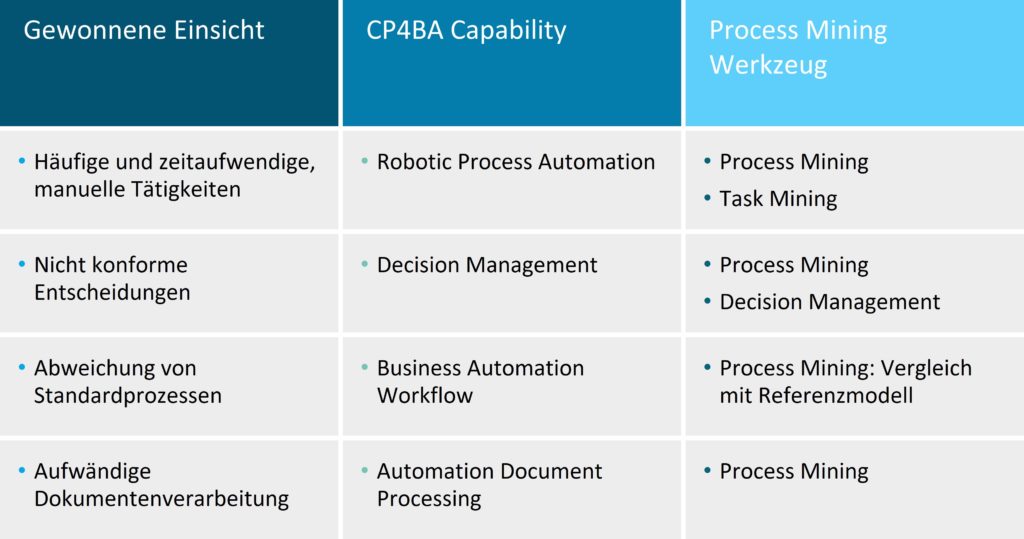
Figure 2: Example IBM Cloud Pak for Business Automation | based on IBM
Where is Process Mining applied?
There are numerous business examples, too many to enumerate. Why? Process Mining can be applied to nearly all processes involving employee participation and multiple IT systems.
Key application areas for Process Mining include:
- Procure to Pay (P2P): The process from procurement to payment.
- Order to Cash (OTC): The process from order placement to cash receipt.
- Onboarding processes, such as bank account openings or personnel recruitment in enterprises.
- Opening and processing of helpdesk tickets.
- Software development processes.
- Insurance applications.
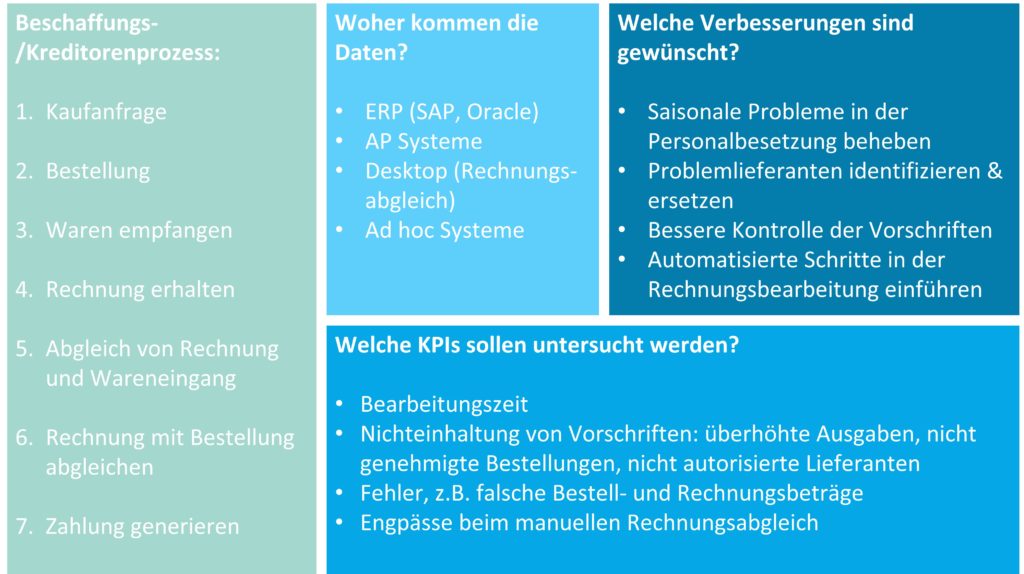
Figure 3: Typical Business Example: Procure to Pay (P2P) | adapted from IBM
Process Mining and its Prerequisites
However, certain considerations are crucial for obtaining accurate results. As with many data mining scenarios, it is imperative that the data is complete and well-structured. Furthermore, attention should be paid to the following aspects:
Process Mining with ISR
In summary: Process Mining enables the analysis of digital business processes within your organization. Leveraging the log data from your IT applications, it provides objective insights into the actual operational workflows.
With our extensive experience and long-standing focus on Business Process Automation, we are well-positioned to serve as your trusted partner. We possess profound expertise in analyzing diverse processes and are adept at advising you on the selection of the optimal Process Mining tool, as well as on subsequent strategic evaluations.

Sandra Bartke
Senior Consultant
Business Process Automation
sandra.bartke@isr.de
+49(0)151 422 05 464