Introduced in 2019, SAP Data Warehouse Cloud is a cloud-based platform designed to assist enterprises in collecting, integrating, managing, and analyzing data from diverse sources.
Since March 2023, it has been clear that SAP Datasphere is the next generation of SAP Data Warehouse Cloud. We explain what this means in concrete terms in this blog post.
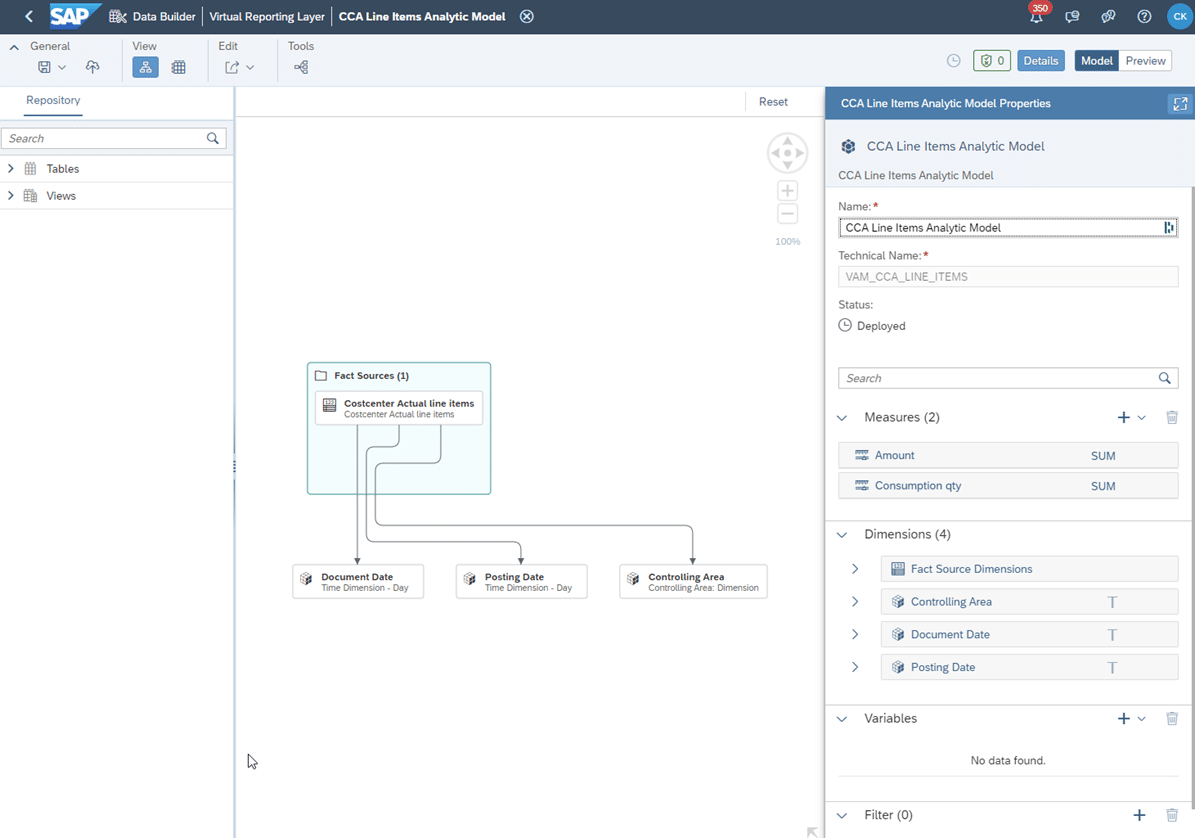
What is SAP Datasphere? SAP Datasphere is a Business Technology Platform (SAP BTP) service for data integration, data cataloging, semantic modeling, data warehousing, data federation, and data virtualization.
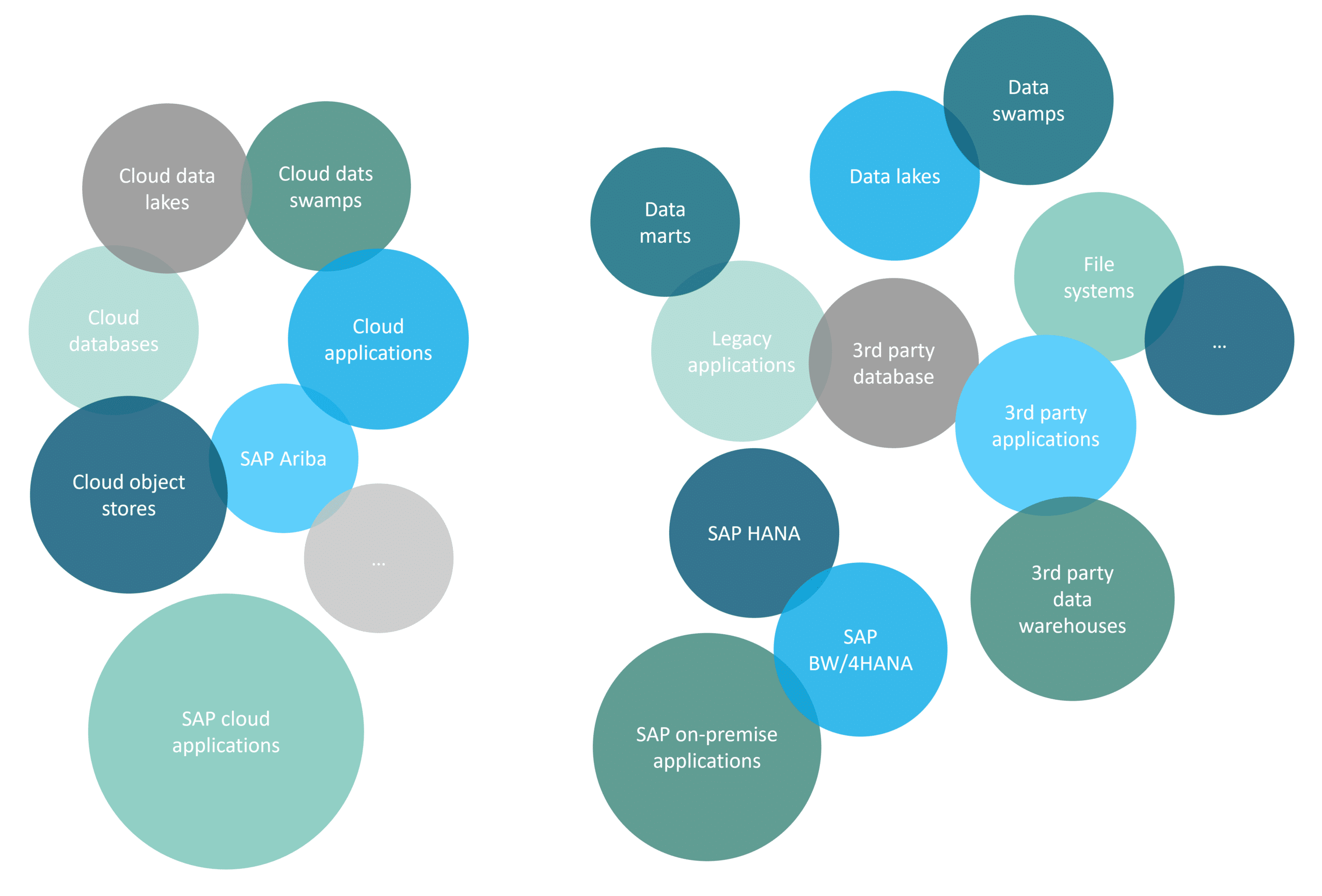
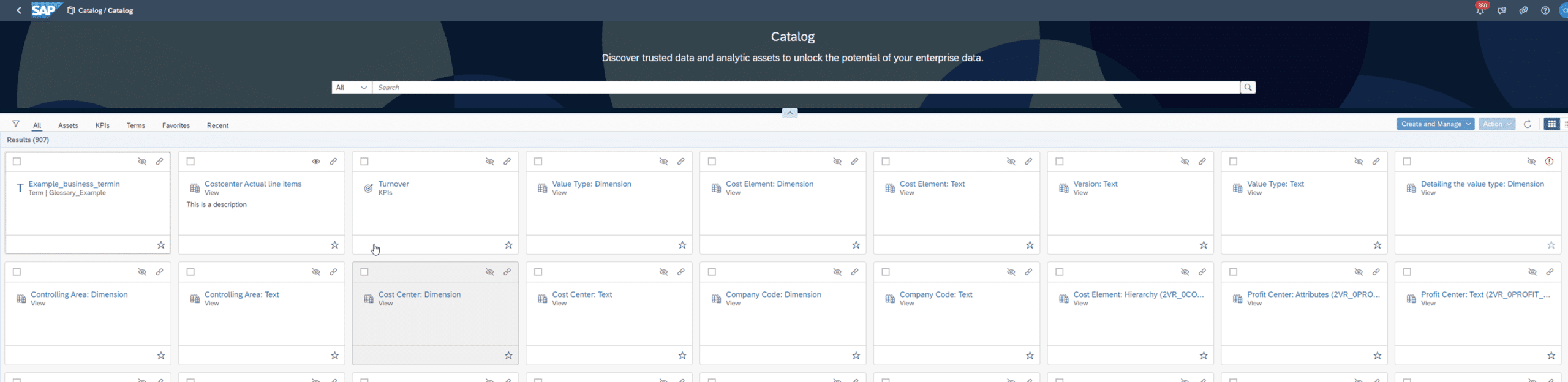
Companies increasingly have highly heterogeneous, distributed cloud and on-premiseWhat does on-premise mean? On-premise refers to infrastructures that are physically... More SAP Datasphere enables the creation of a unified view of the information stored in the distributed systems. It combines data warehouse functions (integration, harmonization, etc.) with catalog functions (glossary, lineage). This creates a high level of transparency about the data available in the company as a basis for (self-service) BI.
What does this mean for SAP Data Warehouse Cloud customers?
SAP Datasphere is the next step in the evolution of SAP Data Warehouse Cloud. All existing SAP Data Warehouse Cloud tenants have already been migrated to SAP Datasphere. All existing functions have been retained and new functions have been added.
Companies that already use SAP Data Warehouse Cloud will automatically receive the new features of SAP Datasphere.
How does SAP Datasphere differ from SAP Data Warehouse Cloud?
SAP Datasphere provides existing SAP Datawarehouse Cloud tenants with new functions:
(1) Replication Flows: Replication Flows represent a new option for replicating mass data that does not require the Data Provisioning Agent, which was previously necessary. The ability to perform delta loads is highlighted.
Close integration with partners – as part of an open data ecosystem
SAP has partnered with other open data partners such as Databricks, Collibra, Confluent, and DataRobot to revolutionize customers' data landscapes with a business data fabric. By integrating data and AI platforms, companies can access business-critical data across any cloud infrastructure. Databricks offers full integration of SAP data with business context in its data lakehouse platform (example: https://blogs.sap.com/2023/03/10/unified-analytics-with-sap-datasphere-databricks-lakehouse-platform-data-federation-scenarios/) , while Collibra ensures data security and compliance initiatives. Confluent provides a data streaming platform, and DataRobot enables organizations to leverage augmented intelligence through automated machine learning.
What is meant by business data fabric, and what role does SAP Datasphere play?
SAP Datasphere and its open data ecosystem form the technological foundation for a business data fabric—a data management architecture that provides integrated and semantically rich data layers across underlying data landscapes. This enables fast and scalable access to data without duplication and delivers meaningful data with business context and logic intact to every data consumer. The use of business-related terms ensures clarity for every application. This approach enables data experts to convey the meaning of data and integrate business semantics into every use case.
Has this piqued your interest? As an esteemed SAP Gold Partner, we have successfully deployed SAP Datasphere (formerly SAP Data Warehouse Cloud) in various customer projects.
Operational Real-time Reporting with SAP Data Warehouse Cloud
SAP Data Warehouse Cloud is exceptionally well-suited as a self-service platform for business departments.
Since 1993, we have been operating as IT consultants for Data Analytics and Document Logistics, focusing on data management and process automation. We provide comprehensive support, from strategic IT consulting to specific implementations and solutions, all the way to IT operations, within the framework of holistic Enterprise Information Management (EIM). ISR is part of the CENIT EIM Group.